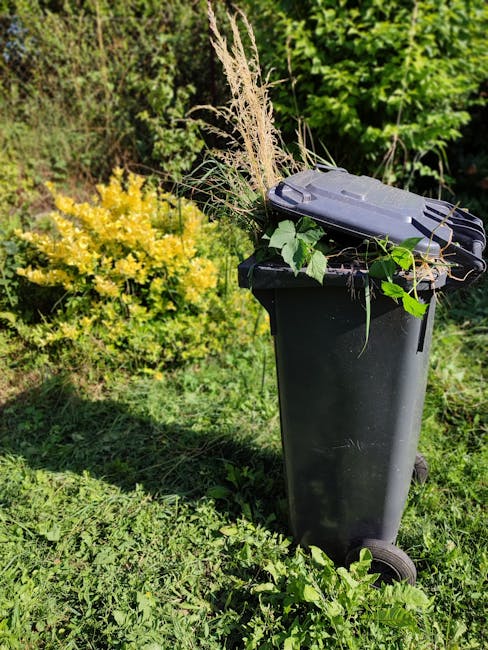
Garden rubbish removal Great Cornard road Sudbury: a practical guide for clearing outdoor waste the right way
If your garden is full of cuttings, broken pots, soil, hedge trimmings, or that one pile of branches you meant to deal with weeks ago, you are not alone. Garden rubbish removal Great Cornard road Sudbury is one of those jobs that looks simple until you actually start moving bags, lifting damp clippings, and wondering what can go where. Truth be told, outdoor waste builds up fast, especially after a proper tidy-up or a weekend of cutting back hedges.
This guide explains how garden waste removal works, what to expect, when it makes sense to book help, and how to avoid the usual headaches. It also covers useful comparisons, compliance points, and a few practical tips that can save you time, effort, and a muddy boot or two.
Table of Contents
- Why Garden rubbish removal Great Cornard road Sudbury Matters
- How Garden rubbish removal Great Cornard road Sudbury Works
- Key Benefits and Practical Advantages
- Who This Is For and When It Makes Sense
- Step-by-Step Guidance
- Expert Tips for Better Results
- Common Mistakes to Avoid
- Tools, Resources and Recommendations
- Law, Compliance, Standards, or Best Practice
- Options, Methods, or Comparison Table
- Case Study or Real-World Example
- Practical Checklist
- Conclusion
- Frequently Asked Questions
Why Garden rubbish removal Great Cornard road Sudbury Matters
A garden looks tidy until the waste starts collecting in corners, behind sheds, and along fences. Then it becomes more than a cosmetic issue. Wet grass clippings begin to smell, branches make pathways awkward, and old soil bags can attract pests or simply get in the way every time you open the back gate. If you live or work near Great Cornard Road, Sudbury, space matters. Most gardens are not huge, so even a modest amount of waste can make the whole place feel cramped.
Garden rubbish removal is not only about making the place look better, although that is usually the first thing people notice. It also helps protect surfaces, keeps access clear, and reduces the chance of slips or trip hazards. A small pile of cuttings on a dry day is one thing. A soggy heap after a rainy spell is another matter entirely. Let's face it, nobody wants to drag muddy branches through the house if they can avoid it.
There is also the simple question of time. Many people underestimate how long outdoor clear-up jobs take. Loading green waste, separating recyclable items, and making repeated trips to a disposal point can swallow half a day before you know it. That is where a more organised removal service becomes useful. It turns a messy project into something manageable.
Expert takeaway: Good garden waste removal is about more than hauling bags away. It is about restoring usable space, keeping the property safe, and making sure the job is handled efficiently from the first load to the last sweep-up.
How Garden rubbish removal Great Cornard road Sudbury Works
The process is usually straightforward, but the details matter. Most garden rubbish removal jobs begin with a rough assessment of what needs shifting. That might include hedge trimmings, branches, turf, weeds, old compost, broken fencing, plant pots, or a mix of general garden clutter. If the waste is heavy, awkward, or mixed with other materials, it may need a different approach from simple green waste collection.
In many cases, the waste is sorted into sensible categories. Pure garden waste is often the easiest to handle. Mixed waste, such as soil with rubble or timber with nails, can need more careful separation. If you have large items like old sheds, broken garden furniture, or machinery, those may fall into a broader clearance job rather than a simple green waste pickup.
Depending on the service, the removal may be done by hand loading, by skip, or through a grab-style solution where suitable access exists. Each method has its own strengths. A smaller garden with limited access may suit manual loading or a man-and-van style collection. A bigger clear-out after landscaping work may suit a larger capacity option. The best choice often comes down to volume, access, and the type of waste involved.
You will usually get the cleanest result when the waste is ready to go before collection starts. That means grouping green waste together, keeping recyclable items apart if requested, and making sure the route to the garden is clear. A little prep goes a long way. Really, it does.
What typically happens on the day
- The waste is reviewed and grouped by type.
- The team loads the material safely and efficiently.
- Heavier or bulky items are handled first so lighter debris can be cleared after.
- The area is swept or tidied once the main removal is complete.
- The waste is taken for sorting, recycling, or disposal in line with local best practice.
That last step matters more than many people realise. Outdoor waste is not just "gone" when it leaves your drive. Responsible handling ensures it is processed properly, and that is part of what separates a decent service from a rushed one.
Key Benefits and Practical Advantages
There are a few obvious benefits, and then there are the quieter ones that only show up once the job is done. The obvious one is a tidy garden. The less obvious one is how much easier it becomes to use the space again. A clear patio, a neat lawn edge, or a free side return can change the whole feel of a property. It sounds dramatic, but anyone who has looked at a cluttered outdoor area on a grey morning will know exactly what I mean.
- Reclaims usable space: Piles of waste can shrink a garden fast. Clearing them opens things up again.
- Reduces manual strain: Heavy bags of soil and wet clippings are awkward, and they add up quickly.
- Saves time: One organised removal is usually far quicker than multiple trips in a car or van.
- Improves appearance: A clear outside space helps a property look cared for.
- Supports safe access: Garden paths, gates, and steps are easier to use when they are not blocked.
- Helps with seasonal jobs: Spring cuts, summer hedge trims, and autumn leaf fall all create short bursts of waste.
There is also a good environmental angle. A well-run garden waste service will separate what can be recycled or composted from what cannot. That does not mean everything gets turned into rich compost, because some material is contaminated or mixed, but good sorting does improve the overall outcome. Small thing, big difference.
Who This Is For and When It Makes Sense
Garden rubbish removal Great Cornard road Sudbury is useful for a wide range of people, not just homeowners with huge plots. In practice, it helps anyone dealing with outdoor waste that is too much for the regular bin or too awkward for a quick DIY run.
- Homeowners who have finished a garden tidy-up and want the waste gone quickly.
- Landlords preparing a rental property after tenants have left the outdoor area untidy.
- Letting agents dealing with end-of-tenancy clear-ups and presentation work.
- Busy families who can maintain the garden but do not have the time to shift the waste.
- Older residents who would rather avoid lifting heavy, bulky, or damp material.
- Property managers keeping communal or shared outdoor spaces under control.
- Anyone doing landscaping who ends up with more spoil and clippings than expected.
It makes particular sense after hedge cutting, tree pruning, lawn renovation, border replanting, or a garden overhaul. If you have ever stood at the end of a long Sunday wondering how the pile got so big, you already know the answer. It grew. Fast.
Sometimes the decision is less about volume and more about access. If the car is parked where it needs to be, if the waste is too heavy to lift comfortably, or if the material is messy enough that you would rather not trail it through the house, a removal service quickly becomes the sensible choice.
Step-by-Step Guidance
If you want the cleanest, least stressful result, it helps to approach the job in stages. The better the prep, the smoother the collection. Here is a practical way to handle it.
- Identify the waste type. Separate green waste from timber, soil, rubble, plastic plant trays, and general garden clutter where possible.
- Estimate the volume. A few bags and a branch pile is very different from a complete garden strip-out.
- Check access. Think about gates, side passages, driveway space, and whether anything blocks the route.
- Remove hazards first. Sharp metal, broken glass, nails, and hidden stakes should be dealt with carefully.
- Bundle awkward material. Branches and canes are easier to move when tied together.
- Keep heavy material separate. Soil and turf are dense, so they can alter the load much more than their size suggests.
- Ask about disposal rules. If something feels unusual, such as treated timber or mixed rubble, check before it is loaded.
- Plan for a final tidy. A last sweep or rake makes the whole space feel properly finished.
One useful little habit is to place waste near the easiest exit point from the garden rather than scattering it everywhere. It sounds obvious, but on a busy day people often just stack things where they fall. Then the collection ends up feeling longer than it needs to. Annoying, and avoidable.
A quick sorting example
Imagine you have hedge cuttings, a broken planter, some old compost bags, and a pile of turf from a border redesign. If everything is mixed together, loading gets slower and the disposal route may become less efficient. If the green waste is grouped, the planter is set aside, and the soil is kept separate, the job becomes much cleaner. That kind of basic organisation is the difference between a tidy clear-out and a messy one.
Expert Tips for Better Results
Most garden clearances go better with a little forethought. Here are the details that make a noticeable difference in real life, not just on paper.
- Cut longer branches down before collection day. You do not need to make everything tiny, but reducing length helps with handling.
- Keep wet waste in manageable bags. Damp grass and leaves become surprisingly heavy. A bag that feels fine dry can be a back-breaker once it has sat out overnight.
- Separate reusable items early. Plant pots, tools, edging pieces, and timber offcuts may be better stored apart.
- Clear a path to the load point. Even a narrow route made easier can save time and reduce accidental damage to flower beds or paving.
- Watch for hidden mixed waste. Old garden borders sometimes contain rubble, broken tiles, or metal fixings. Better to spot that before loading starts.
- Book around the weather. A dry morning makes outdoor removal much easier than trying to shift soggy waste after a downpour.
Another useful tip: if you are planning landscaping soon after the clearance, keep the waste and future materials separate from the start. Sand, topsoil, bark, and compost all have very different handling needs. Mixing them up creates an avoidable mess. Been there, seen it, best avoided.
Common Mistakes to Avoid
There are a few classic mistakes that turn a simple outdoor clearance into a longer, pricier, or more frustrating job. None of them are dramatic, but together they can cause real hassle.
- Underestimating volume: Garden waste expands visually. A few bags can become a full load once branches and cuttings are compacted properly.
- Mixing heavy and light waste: Soil buried under lighter waste makes loading harder and less efficient.
- Leaving waste exposed too long: Wet weather changes the weight and smell of green waste very quickly.
- Ignoring access issues: If the waste cannot be reached easily, collection takes longer.
- Assuming all garden items are the same: They are not. Clean green waste, treated wood, rubble, and plastic all need different handling.
- Forgetting sharp or hazardous items: Broken glass, old chemicals, and rusty fixings are easy to overlook in a garden shed clear-out.
One more thing: do not wait until the pile is so high that it starts blocking the very path you need to use. That is the point where a manageable job starts behaving like a minor expedition. Nobody needs that.
Tools, Resources and Recommendations
You do not need a professional toolkit to prepare for garden rubbish removal, but a few basic items help a lot. A decent pair of gloves, strong bin bags, a rake, secateurs, and a wheelbarrow are often enough for the prep stage. If the garden has thorny plants or heavy branches, thicker gloves and a pruning saw can make the work safer and more comfortable.
If the area is being cleared as part of a bigger tidy-up, it may also help to have tarpaulins or old sheets ready. These can keep waste together and reduce the amount of loose material that gets blown around. On a breezy day, that matters more than people think. One gust and you are chasing leaves down the path. Not ideal.
For larger jobs, it can be helpful to look at a few related services before choosing the right route. If the garden project is part of broader renovation waste, a service such as grab hire services may suit bigger loads. If the clear-out includes a wider home tidy-up, man and van collection can be useful when items need a more hands-on approach. For simpler outdoor waste, dedicated garden waste removal is often the most direct option.
It is also sensible to understand how different waste types are handled. The page on what can go in a skip is useful background if you are deciding whether your garden load is clean green waste, mixed waste, or something more specialised. If the project is broader still, site clearance may be a better fit than a simple one-off pickup.
Law, Compliance, Standards, or Best Practice
For most people, the compliance side of garden rubbish removal is not complicated, but it is still worth paying attention. In the UK, waste should be handled by a lawful route, and it is sensible to use a provider that can explain how the material is collected, moved, and processed. You do not need a lecture on legislation every time you prune a hedge, of course, but you do want confidence that your waste will not end up dumped somewhere it should not be.
Best practice usually means keeping garden waste separate from general rubbish where possible, avoiding the mixing of hazardous items with green waste, and making sure anything that requires special handling is identified early. Old paint tins, chemicals, fuel containers, asbestos-containing materials, and some treated items are not part of ordinary garden waste. If you are unsure, stop and ask. That one small pause can save a real mess later.
If a permit is relevant because of the collection method or roadside placement, it should be arranged properly before work begins. Services relating to skip permits and skip hire permits can be useful if you are comparing options, especially where access is tight or parking is limited. And if you are choosing a provider, looking at their health and safety policy and insurance and safety information is a sensible habit, not overkill.
Recycling and responsible disposal are also part of good practice. A service with clear recycling and sustainability standards is usually worth favouring, because outdoor waste often contains material that can be sorted rather than simply tipped. Small win, cleaner outcome.
Options, Methods, or Comparison Table
Different garden clearance jobs call for different approaches. The right one depends on volume, waste type, access, and how quickly you need the area cleared. Here is a simple comparison to help you think it through.
| Method | Best for | Strengths | Limitations |
|---|---|---|---|
| Manual bagging and self-disposal | Very small amounts of light waste | Low upfront cost if you already have transport | Time-consuming, awkward for heavy or wet material |
| Skip hire | Ongoing garden projects or larger volumes | Useful for mixed loads and staged work | Needs space and may involve permit considerations |
| Grab-style collection | Large bulky waste or heavy loads | Fast removal of substantial material | Access and positioning need to be workable |
| Man and van collection | Mixed garden waste or awkward items | Flexible, quick, and practical for smaller jobs | May suit less volume than a skip-based approach |
| Dedicated garden waste removal | Regular or one-off green waste jobs | Simple, focused, and convenient | May not suit heavily mixed or construction-style waste |
If your garden job is mostly hedge cuttings, leaves, and grass, a focused green waste service is usually enough. If the project includes broken slabs, old sleepers, or fencing, you may need a broader waste solution. Choosing the right method up front can save a second booking later, which is never fun.
Case Study or Real-World Example
Picture a typical late-spring tidy-up near Great Cornard Road. The lawn has grown wild after a few rainy weeks, the hedge is dropping clippings everywhere, and there is a pile of old compost sacks by the shed. Nothing dramatic. Just the sort of job that starts with "I'll do it this afternoon" and quietly rolls into the evening.
In a case like that, the first step is sorting the material. Green waste goes in one area, broken pots and plastic trays in another, and heavier items such as old edging or turf are kept separate. The path from the back garden to the front is cleared before collection starts. That small bit of planning avoids dragging wet debris through the house and saves a lot of back-and-forth.
Once the waste is loaded, the remaining garden suddenly looks bigger. Not just cleaner, bigger. The patio feels easier to use, the borders make more sense, and the whole space becomes usable again. That is usually when people notice the real value. It was never just about getting rid of rubbish. It was about getting the garden back.
Practical Checklist
Use this checklist before arranging any garden rubbish removal job. It keeps things simple and avoids common snags.
- Separate green waste from mixed waste where possible.
- Check whether soil, turf, or rubble is included.
- Bundle long branches or canes together.
- Clear a route from the garden to the collection point.
- Remove sharp or hazardous items first.
- Estimate the amount of waste honestly, not generously.
- Consider access, parking, and gate width.
- Keep pets and children away from the work area.
- Ask how recyclable material will be handled.
- Confirm whether permits or special arrangements may be needed.
- Have a final sweep-up plan for the cleared area.
If you can tick most of those off, the removal is likely to be straightforward. If several points are uncertain, it is worth pausing and planning properly before the day arrives. A short bit of prep often saves a long bit of frustration.
Conclusion
Garden rubbish removal Great Cornard road Sudbury is really about making outdoor spaces manageable again. Whether you are clearing hedge clippings, old pots, turf, branches, or a mix of awkward garden debris, the right approach turns a tiring chore into a clean, practical job. The best results usually come from a simple formula: sort the waste, understand the access, choose the right removal method, and keep an eye on responsible disposal.
If your garden is at the point where every corner seems to be collecting something, that is often the moment to act. Not because it is urgent in a dramatic way, but because small outdoor messes tend to grow quietly into bigger ones. A clear garden feels calmer. It gives you room to breathe, room to work, and room to enjoy the space again.
Get a free quote today and see how much you can save.
And if you are weighing up your next step, start with what is actually in the pile. The answer is often simpler than it looks.
Frequently Asked Questions
What counts as garden rubbish?
Garden rubbish usually includes grass cuttings, hedge trimmings, branches, leaves, weeds, old plants, turf, soil, and broken outdoor items such as pots or edging. Mixed waste may need a different collection approach.
Can wet garden waste still be removed?
Yes, but wet waste is heavier and often more awkward to handle. If possible, keep it grouped and manageable. Damp clippings and leaves can quickly add weight, which affects the loading process.
Is garden waste the same as general rubbish removal?
Not always. Pure green waste is often handled differently from mixed household or garden clutter. If you have timber, rubble, plastic, or metal mixed in, that may change the most suitable removal method.
Do I need to sort the waste before collection?
It is strongly recommended. Sorting garden waste into green waste, heavy spoil, and mixed items makes the job faster and can help avoid issues on the day. A little prep really does help.
What if my garden has very limited access?
Limited access usually means more planning is needed. Narrow side passages, steep steps, or blocked routes can affect whether a man-and-van style service, skip, or other method is best.
Can soil and turf be removed with hedge cuttings?
Sometimes, but not always in the same load. Soil and turf are much heavier than cuttings, so it is best to check how mixed loads are handled before everything is piled together.
How do I know if I need a skip or a collection service?
As a rule of thumb, smaller or mixed clear-outs often suit collection services, while ongoing landscaping projects may suit a skip. The amount of waste, the space available, and how quickly you need it gone all matter.
What should I do with sharp or hazardous items found in the garden?
Set them aside carefully and do not mix them with ordinary green waste. Broken glass, chemical containers, and other hazardous items need special handling, so it is wise to identify them early.
Can garden rubbish removal help after storm damage?
Yes. Storms often leave branches, damaged fencing, and scattered debris. A proper removal service can help clear the mess once the dangerous items have been made safe to handle.
How long does a typical garden clearance take?
It depends on the volume, waste type, and access. A small tidy-up may be fairly quick, while a large overgrown garden or mixed clearance can take much longer. Planning and sorting usually speed things up.
What happens to the waste after it is collected?
Responsible providers will separate recyclable or compostable material where possible and dispose of the rest using appropriate waste routes. The exact process depends on the type of waste collected.
Is it worth booking removal for a small pile of waste?
If the pile is awkward, heavy, or likely to keep growing, yes, it can still be worth it. Sometimes a small pile is the start of a much bigger job, and getting ahead of it saves time later.