Demolition Waste Removal in Sudbury
Understanding Demolition Waste
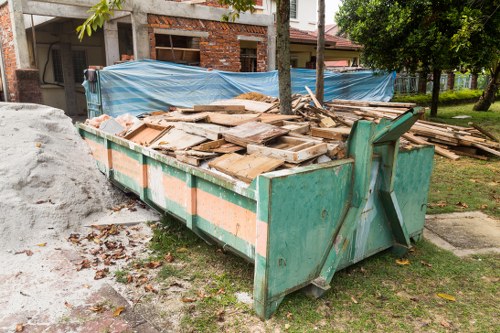
When undertaking a demolition project, one of the most critical aspects to consider is the removal of demolition waste. Proper Demolition Waste Removal in Sudbury ensures that the site is left clean, compliant with local regulations, and environmentally responsible.
Demolition waste encompasses a wide range of materials, including concrete, metal, wood, and hazardous substances. Effectively managing this waste is not only crucial for maintaining safety but also for promoting sustainability within the community.
In Sudbury, the process of waste removal is governed by specific guidelines that aim to minimize environmental impact and encourage recycling and reusing materials whenever possible.
Types of Demolition Waste
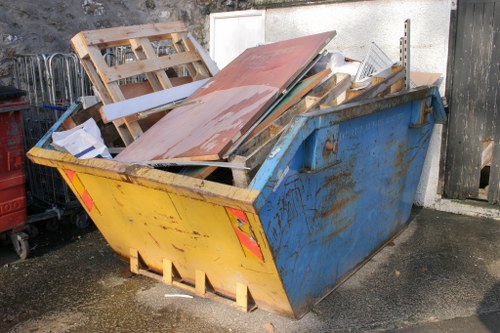
Demolition waste can be classified into several categories, each requiring different handling and disposal methods. Common types include:
- Concrete and Masonry: Often recycled for use in new construction projects.
- Metals: Valuable metals like steel and aluminum can be reclaimed and sold.
- Wood: Reusable wood can be repurposed, while treated wood requires special disposal.
- Hazardous Materials: Items like asbestos and lead must be carefully removed and disposed of by professionals.
Understanding the composition of demolition waste helps in planning an efficient removal strategy tailored to the specific needs of your project.
Environmental sustainability is a key consideration, emphasizing the importance of sorting and recycling materials to reduce landfill usage.
Environmental Impact of Demolition Waste

The environmental impact of improper demolition waste removal can be significant. It contributes to landfill overuse, pollution, and the depletion of natural resources. By implementing effective waste removal practices in Sudbury, we can mitigate these adverse effects.
Recycling materials not only conserves resources but also reduces the carbon footprint associated with producing new materials. For instance, recycling steel saves about 60-74% of the energy required to produce it from raw materials.
Additionally, proper disposal of hazardous waste prevents harmful substances from contaminating soil and water sources, safeguarding public health and the environment.
- Reduces landfill usage
- Conserves natural resources
- Prevents pollution
- Promotes sustainable practices
Emphasizing eco-friendly demolition waste removal practices aligns with broader sustainability goals and fosters a healthier community.
Why Proper Waste Removal is Essential
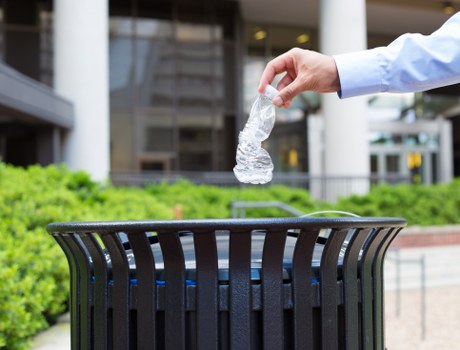
Proper Demolition Waste Removal in Sudbury is essential for several reasons, ranging from environmental protection to legal compliance. Ensuring that waste is managed effectively can have lasting benefits for both individuals and the community.
Health and safety are paramount. Accumulated debris can pose hazards to workers and residents alike, increasing the risk of accidents and injuries.
Moreover, adhering to local regulations avoids potential fines and legal repercussions. Sudbury has specific guidelines governing waste disposal, and non-compliance can result in significant penalties.
- Ensures safety
- Complies with local laws
- Protects the environment
- Enhances project efficiency
By prioritizing proper waste removal, projects can proceed smoothly and contribute positively to the community.
Health and Safety Concerns
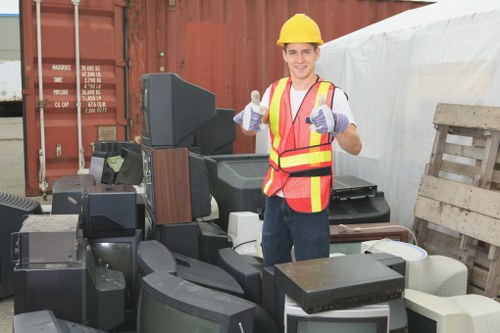
Improperly managed demolition waste can create numerous health and safety hazards. Sharp objects, unstable structures, and the presence of toxic materials all pose significant risks.
Effective waste removal minimizes these dangers by ensuring that debris is handled and disposed of correctly. This not only protects workers on site but also the general public who may be in the vicinity.
Employing professional waste removal services guarantees that safety protocols are followed, reducing the likelihood of accidents and health issues related to exposure to hazardous materials.
- Prevents accidents
- Reduces exposure to toxins
- Maintains a safe working environment
- Protects public health
Safety is non-negotiable in demolition projects, and meticulous waste removal plays a critical role in upholding it.
Legal Regulations in Sudbury
Sudbury has established legal frameworks governing demolition and waste removal to ensure environmental protection and public safety. Compliance with these regulations is mandatory for all demolition projects within the city.
Key regulatory requirements include obtaining permits, adhering to waste disposal protocols, and ensuring that hazardous materials are handled by certified professionals. Failure to comply can result in fines, project delays, and legal action.
Staying informed about these laws and working with knowledgeable waste removal companies can facilitate smooth project execution and adherence to legal standards.
- Permit acquisition
- Proper documentation
- Compliance with disposal protocols
- Use of certified professionals for hazardous materials
Understanding and following Sudbury’s regulations ensures that demolition projects are responsible and legally compliant.
Demolition Waste Removal Services in Sudbury
Professional Demolition Waste Removal in Sudbury offers a range of services tailored to meet the diverse needs of various projects. From small residential demolitions to large-scale commercial projects, these services ensure that waste is managed efficiently and responsibly.
Services typically include on-site debris removal, transportation to recycling facilities, and proper disposal of non-recyclable materials. Some companies also offer specialized services for handling hazardous waste, ensuring compliance with all safety and environmental regulations.
By leveraging these services, clients can focus on their core projects without worrying about the complexities of waste management.
- On-site debris removal
- Transportation to recycling centers
- Specialized hazardous waste handling
- Comprehensive cleanup services
Engaging professional waste removal services enhances project efficiency and sustainability.
What Services Are Offered
Demolition waste removal services in Sudbury encompass a variety of offerings to address different aspects of waste management. These include:
- Initial Assessment: Evaluating the type and volume of waste to plan the removal process.
- Sorting and Segregation: Separating recyclable materials from non-recyclable ones to maximize resource recovery.
- Transportation: Efficiently moving waste from the site to appropriate disposal or recycling facilities.
- Disposal: Ensuring that all waste is disposed of in accordance with local regulations and environmental standards.
Each of these services is designed to provide a comprehensive solution for demolition waste management, ensuring that projects are completed responsibly.
Comprehensive services streamline the waste removal process, making it easier for clients to manage their demolition projects.
Benefits of Professional Waste Removal
Hiring professional demolition waste removal services offers numerous advantages. These include:
- Efficiency: Experienced companies can handle waste removal quickly and effectively.
- Compliance: Ensures that all waste is managed according to local laws and regulations.
- Safety: Reduces the risk of accidents and exposure to hazardous materials.
- Environmental Responsibility: Promotes recycling and reduces landfill reliance.
Furthermore, professional services often come with warranties and guarantees, providing peace of mind to clients.
Investing in professional waste removal is a strategic decision that benefits both the project and the community.
Choosing the Right Demolition Waste Removal Company
Selecting the appropriate Demolition Waste Removal in Sudbury company is crucial for the success of your project. It requires careful consideration of several factors to ensure that the company can meet your specific needs effectively.
Key considerations include the company’s experience, range of services, pricing, and reputation within the community. Additionally, verifying that the company complies with all local regulations and employs environmentally friendly practices is essential.
Evaluating these aspects helps in making an informed decision that aligns with both project requirements and sustainability goals.
- Experience and expertise
- Range of services offered
- Competitive pricing
- Reputation and reviews
- Compliance with regulations
Choosing the right company ensures that waste removal is handled professionally and efficiently.
Factors to Consider
When selecting a demolition waste removal company in Sudbury, consider the following factors:
- Licensing and Certification: Ensure the company is properly licensed and certified to handle demolition waste.
- Experience: Look for companies with a proven track record in handling similar projects.
- Services Offered: Verify that the company offers the specific services you require.
- Pricing Structure: Understand the pricing model to avoid hidden fees.
- Customer Reviews: Check reviews and testimonials to gauge customer satisfaction.
These factors collectively contribute to selecting a reliable and efficient waste removal partner.
Thorough evaluation ensures that the chosen company can meet your project’s demands effectively.
Questions to Ask
Before finalizing a demolition waste removal company, it's important to ask pertinent questions to ensure they are the right fit for your project. Consider the following:
- What types of demolition waste do you handle?
- Are you licensed and insured?
- Can you provide references from previous clients?
- What is your pricing structure?
- How do you ensure compliance with local regulations?
Asking these questions helps in assessing the company’s capabilities and reliability, ensuring a smooth waste removal process.
Transparency and communication are key when selecting a service provider.
Eco-Friendly Demolition Waste Disposal Methods
Embracing eco-friendly methods in Demolition Waste Removal in Sudbury is essential for promoting sustainability and minimizing environmental impact. These methods focus on reducing waste, recycling materials, and using environmentally responsible practices.
Key eco-friendly strategies include:
- Recycling Materials: Salvaging materials like metal, wood, and concrete for reuse in new projects.
- Selective Demolition: Carefully dismantling structures to preserve reusable components.
- Proper Hazardous Waste Handling: Safely removing and disposing of toxic materials to prevent environmental contamination.
- Minimizing Waste: Planning and executing projects to reduce the overall amount of waste generated.
Implementing these practices not only benefits the environment but can also lead to cost savings and improved project efficiency.
Commitment to sustainability enhances the reputation of both the company and the community.
Recycling and Reusing Materials
Recycling and reusing materials are cornerstone practices in eco-friendly demolition waste removal. By diverting waste from landfills, we conserve natural resources and reduce the environmental footprint of construction projects.
Commonly recycled materials include:
- Metals: Recycled metals can be repurposed in various industries, reducing the need for new metal production.
- Concrete and Masonry: These materials can be crushed and used as aggregate in new construction.
- Wood: Reused wood is ideal for new building projects or for creating other wood products.
By prioritizing recycling and reuse, demolition projects contribute to a circular economy and support sustainable development in Sudbury.
Resource conservation is critical in promoting long-term environmental health.
Sustainable Practices
Adopting sustainable practices in demolition waste removal goes beyond recycling. It involves a holistic approach to managing resources responsibly and minimizing environmental impact.
Some sustainable practices include:
- Energy-Efficient Transportation: Using vehicles that consume less fuel and emit fewer pollutants.
- Reducing Single-Use Materials: Minimizing the use of disposable containers and packaging during waste handling.
- Implementing Green Technologies: Utilizing advanced technologies for sorting, processing, and recycling materials more effectively.
- Training and Education: Ensuring that all team members are knowledgeable about sustainable practices and their importance.
These practices not only benefit the environment but also enhance the efficiency and reputation of waste removal services.
Holistic sustainability ensures comprehensive waste management and environmental stewardship.
Cost of Demolition Waste Removal in Sudbury
The cost of Demolition Waste Removal in Sudbury can vary based on several factors. Understanding these factors helps in budgeting and optimizing expenses for your project.
Key factors influencing costs include:
- Volume and Type of Waste: Larger volumes and hazardous materials can increase removal costs.
- Accessibility: Sites that are difficult to access may require specialized equipment, adding to expenses.
- Duration of the Project: Longer projects may incur higher labor and equipment costs.
- Recycling and Disposal Fees: Costs associated with recycling certain materials and fees for disposal at landfills.
By understanding these factors, you can make informed decisions to manage and potentially reduce the overall cost of waste removal.
Transparent pricing ensures that there are no unexpected expenses during your project.
Factors Influencing Costs
Several elements can affect the cost of demolition waste removal in Sudbury:
- Type of Demolition: Residential, commercial, or industrial demolitions may have different cost structures.
- Waste Composition: The mix of recyclable and non-recyclable materials impacts overall costs.
- Location: Proximity to waste disposal facilities can affect transportation costs.
- Service Level: Comprehensive services that include sorting, recycling, and disposal will generally cost more.
- Seasonal Demand: High demand periods may result in higher prices.
Considering these factors can help you anticipate and manage the financial aspects of your demolition project effectively.
Proactive planning can lead to cost-effective waste removal solutions.
Cost-Saving Tips
Managing and reducing the costs associated with Demolition Waste Removal in Sudbury is achievable through strategic planning and efficient practices. Here are some tips to help you save:
- Sort Waste On-Site: Separating recyclable materials during demolition can reduce disposal fees and even generate revenue from recycled materials.
- Plan Ahead: Scheduling waste removal services in advance can help secure better rates and ensure availability.
- Minimize Waste: Carefully planning the demolition process to reduce unnecessary debris can lower the overall volume of waste.
- Choose a Reputable Company: Experienced companies may offer more competitive pricing and efficient services.
Implementing these strategies can lead to significant cost savings while maintaining effective waste management.
Smart strategies contribute to both budget management and sustainability.
Steps to a Successful Demolition Waste Removal Project
Executing a successful Demolition Waste Removal in Sudbury project involves careful planning and systematic execution. Following a structured approach ensures that the process is efficient, compliant, and environmentally responsible.
Here are the key steps to consider:
- Planning and Preparation: Assess the scope of the project, obtain necessary permits, and develop a waste removal plan.
- Sorting and Segregation: Categorize waste into recyclable, reusable, and non-recyclable materials.
- Removal and Transportation: Safely remove debris from the site and transport it to appropriate facilities.
- Recycling and Disposal: Ensure that materials are processed correctly, maximizing recycling and proper disposal.
- Final Cleanup: Conduct a thorough cleanup to leave the site in pristine condition.
Adhering to these steps ensures a smooth and effective waste removal process, benefiting both the project and the community.
Structured execution is key to successful waste management.
Planning and Preparation
Effective planning and preparation are foundational to any Demolition Waste Removal in Sudbury project. This phase involves defining the project scope, understanding the types of waste involved, and setting clear objectives for waste management.
Steps in this phase include:
- Site Assessment: Evaluate the site to identify potential challenges and the volume of waste expected.
- Permit Acquisition: Secure all necessary permits and ensure compliance with local regulations.
- Waste Management Plan: Develop a detailed plan outlining how waste will be sorted, removed, and disposed of.
- Resource Allocation: Determine the personnel, equipment, and materials needed for effective waste removal.
Thorough planning ensures that all aspects of waste removal are addressed, minimizing disruptions and inefficiencies during the demolition process.
Preparation is crucial for seamless project execution.
Execution and Cleanup
During the execution phase of Demolition Waste Removal in Sudbury, the focus shifts to the actual removal and disposal of waste. This requires coordination, adherence to the waste management plan, and effective communication among all stakeholders.
Key activities include:
- Debris Removal: Systematically remove debris from the site, ensuring safety and efficiency.
- Transportation: Move waste to designated recycling or disposal facilities promptly to avoid site congestion.
- Continuous Monitoring: Regularly check the progress of waste removal to ensure it aligns with the plan.
- Final Cleanup: Conduct a comprehensive cleanup to leave the site clear and ready for future use.
Executing these tasks effectively ensures that the demolition project proceeds smoothly and that waste is managed responsibly.
Attention to detail during execution guarantees a successful waste removal process.
Common Challenges and Solutions
Demolition waste removal projects often encounter various challenges, from dealing with hazardous materials to navigating complex regulations. Understanding these challenges and implementing effective solutions is essential for successful Demolition Waste Removal in Sudbury.
- Navigating Permits and Regulations: Securing the necessary permits and staying compliant can be daunting. Working with experienced waste removal companies can simplify this process.
- Handling Hazardous Materials: Safely removing and disposing of hazardous waste requires specialized knowledge and equipment. Employing certified professionals ensures that these tasks are handled appropriately.
- Managing Large Volumes of Waste: Efficiently handling large amounts of debris necessitates proper planning and adequate resources. Implementing a robust waste management plan can mitigate this challenge.
By anticipating these challenges and preparing solutions in advance, demolition projects can proceed without significant delays or complications.
Proactive problem-solving is key to overcoming obstacles in waste removal projects.
Navigating Permits and Regulations
One of the primary challenges in Demolition Waste Removal in Sudbury is navigating the complex landscape of permits and regulations. Ensuring compliance is not only a legal requirement but also a critical component of responsible waste management.
Key steps to manage this challenge include:
- Research: Understand the specific permits required for your demolition project.
- Documentation: Prepare and submit all necessary paperwork accurately and on time.
- Consultation: Engage with local authorities or waste removal experts to ensure all regulatory requirements are met.
By proactively addressing permit and regulation requirements, projects can avoid delays and penalties, facilitating a smoother waste removal process.
Compliance ensures that demolition projects are conducted responsibly and legally.
Handling Hazardous Materials
Managing hazardous materials is a critical aspect of Demolition Waste Removal in Sudbury. These materials, such as asbestos, lead, and chemicals, pose significant risks to health and the environment if not handled properly.
Best practices for handling hazardous waste include:
- Identification: Accurately identify all hazardous materials present on the site.
- Specialized Removal: Use trained and certified professionals to remove and transport hazardous waste.
- Proper Disposal: Ensure that hazardous materials are disposed of at designated facilities following all regulatory guidelines.
Implementing these practices mitigates risks and ensures the safety and compliance of your demolition project.
Safety protocols are paramount when dealing with hazardous waste.
Future of Demolition Waste Management
The future of Demolition Waste Removal in Sudbury is poised to embrace innovations and sustainable practices that enhance efficiency and environmental responsibility.
Emerging trends and developments include:
- Advanced Recycling Technologies: Innovations that improve the efficiency and effectiveness of recycling processes.
- Digital Waste Tracking: Utilizing digital tools to monitor and manage waste throughout the removal process.
- Green Building Practices: Integrating sustainable materials and methods in construction and demolition to reduce overall waste.
- Community Engagement: Encouraging community participation in recycling and waste reduction initiatives.
These advancements are set to transform waste management, making it more sustainable and aligned with global environmental goals.
Embracing innovation ensures that demolition waste removal remains efficient and eco-friendly.
Innovations in Waste Disposal
Innovations in waste disposal are revolutionizing Demolition Waste Removal in Sudbury, making the process more efficient and environmentally friendly. These advancements include:
- Robotic Sorting Systems: Automating the sorting process to increase accuracy and speed.
- Smart Sensors: Using sensors to monitor waste levels and optimize removal schedules.
- Eco-Friendly Disposal Methods: Developing new techniques that minimize environmental impact.
- Artificial Intelligence: Leveraging AI to predict waste generation and improve management strategies.
These technologies enhance the effectiveness of waste management, ensuring that demolition projects contribute positively to environmental sustainability.
Technological advancements play a crucial role in modernizing waste disposal practices.
Sustainable Development Goals
Integrating Demolition Waste Removal in Sudbury with the United Nations’ Sustainable Development Goals (SDGs) underscores the commitment to global environmental and social objectives. Key SDGs relevant to demolition waste management include:
- Goal 11: Sustainable Cities and Communities – Ensuring that urban development is eco-friendly and resilient.
- Goal 12: Responsible Consumption and Production – Promoting efficient use of resources and waste reduction.
- Goal 13: Climate Action – Reducing the carbon footprint through sustainable waste management practices.
- Goal 15: Life on Land – Preventing land degradation by minimizing landfill use and promoting recycling.
Aligning demolition waste removal practices with these goals fosters a sustainable future for Sudbury and beyond.
Commitment to sustainability aligns local practices with global objectives.
Conclusion
Effective Demolition Waste Removal in Sudbury is a cornerstone of responsible construction and urban development. By understanding the types of waste, adhering to environmental and legal standards, and embracing sustainable practices, we can ensure that demolition projects contribute positively to the community and the environment.
Partnering with professional waste removal services offers numerous benefits, including efficiency, safety, and compliance with local regulations. As the industry evolves, adopting innovative and eco-friendly methods will further enhance the effectiveness and sustainability of waste management practices.
Take the next step towards a cleaner and more sustainable Sudbury. Contact us today to learn more about our demolition waste removal services and how we can assist in your next project.
Ready to make a positive impact? Book your service now and ensure your demolition project is handled with the utmost care and responsibility.